As a multinational company, we place the principles of diversity, equality, and inclusion at the heart of our corporate culture and social policies.
Corporate Approach
At Arkas Line, we position diversity, equity and inclusion among the core values of our corporate culture. By upholding respect for human rights, fair opportunities and a safe working environment, we believe that our teams across different geographies are united by shared values of respect, fairness and inclusive ways of working. We adopt as a fundamental principle providing an equal, fair and inclusive working environment for all our employees. We view diversity as richness, inclusion as strength, and equity as an indispensable element of our corporate culture.
We do not limit our understanding of diversity to a single dimension. We aim to provide a supportive and inclusive working environment for individuals who are underrepresented in the business world and who may therefore face disadvantages in terms of equal opportunity, career development or social participation—without discrimination based on ethnic origin, gender, religion, sect, disability, sexual orientation or socioeconomic background. We strengthen this approach through respectful communication, fair processes and a team culture that makes everyone’s contribution visible.
We base the principle of equal opportunity across all our Human Resources processes and prioritize creating a respectful, safe, multicultural and inclusive working environment. We implement a zero-tolerance policy against gender-based harassment and discrimination, and carry out programs that support the empowerment of women employees, particularly in male-dominated sectors such as maritime. To reinforce this approach, we conduct regular awareness trainings, inclusive leadership programs and gender stereotypes trainings for our managers.
We base our recruitment decisions solely on the requirements of the position, talent and experience, and structure our promotion, performance and compensation processes on objective, transparent criteria that uphold gender equality.
We strengthen our diversity, equity and inclusion approach through comprehensive planning, implementation and monitoring processes carried out under the coordination of the Human Resources and Sustainability Directorates. Through preventive and protective mechanisms developed in collaboration with all relevant units, we aim to continuously improve and sustain a fair, safe and inclusive working environment for all our employees.
Gender Equality and Women’s Employment
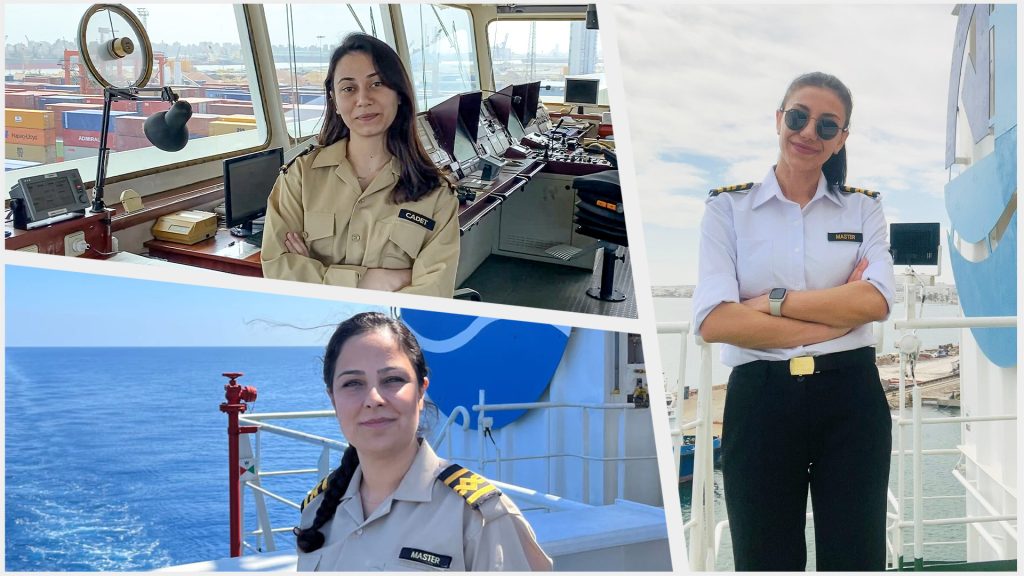
At Arkas Line, we support the active participation of women in professional life and make a difference in the sector with a female employee ratio reaching 35%. One of Türkiye’s first female Masters was trained on Arkas vessels. Today at Arkas Line, female officers account for 10% of critical roles such as Master and Chief Engineer on ocean-going vessels. According to BIMCO data, this figure stands at just 1.2% worldwide.

At Arkas Line, we support the “Equal Opportunity Cooperation Protocol for Female Students of Maritime Faculties,” introduced in 2021 by the General Directorate of Maritime Affairs under the Ministry of Transport and Infrastructure of the Republic of Türkiye, with the aim of promoting women’s employment on board.
Within this framework, female cadets from the maritime faculties of 11 universities are employed on our vessels. Under the project, which was launched with a target of at least three female cadets per year, we reached a record level in 2024 by employing 30 female cadets. Since 2021, we have provided employment to a total of 65 female cadets across our fleet.
Women’s Empowerment Principles (WEPs)
We bring our commitment to gender equality to the international arena. We are proud to have been among the first 45 organizations in Türkiye to sign the Women’s Empowerment Principles (WEPs) in 2015, a joint initiative of the United Nations Global Compact and UN Women.
Policies and Global Frameworks

In 2025, we published the Gender Equality and Inclusion Guide and the Gender-Based Violence and Harassment Policy to establish a common framework across the organization. These two guides provide a reference for respectful communication and inclusive workplace practices. They also aim to contribute to the prevention of discrimination and the strengthening of an equal opportunity approach.
We also place importance on alignment with global frameworks. In this context, Arkas Line supports the Women’s Empowerment Principles (WEPs). In 2025–2026, our Sustainability and Human Resources departments participated in the Target Gender Equality Accelerator Programme trainings under the United Nations Global Compact.
Communication and Ethics Mechanisms
Through our Sustain Connect newsletter, we regularly share our sustainability and social impact agenda. In this way, we aim to raise awareness within the organization and strengthen transparent communication with our stakeholders.
To support a safe and inclusive working environment, we prioritize compliance with ethical principles. Through our independent Ethics Support Center, where employees can safely communicate their concerns and feedback, we handle all notifications in line with the principles of confidentiality and impartiality.
Relevant Policies and Documents: ESG Policy | Gender Equality and Inclusion Guide | Gender-Based Violence and Harassment Policy (GBVH)
Yanındayız
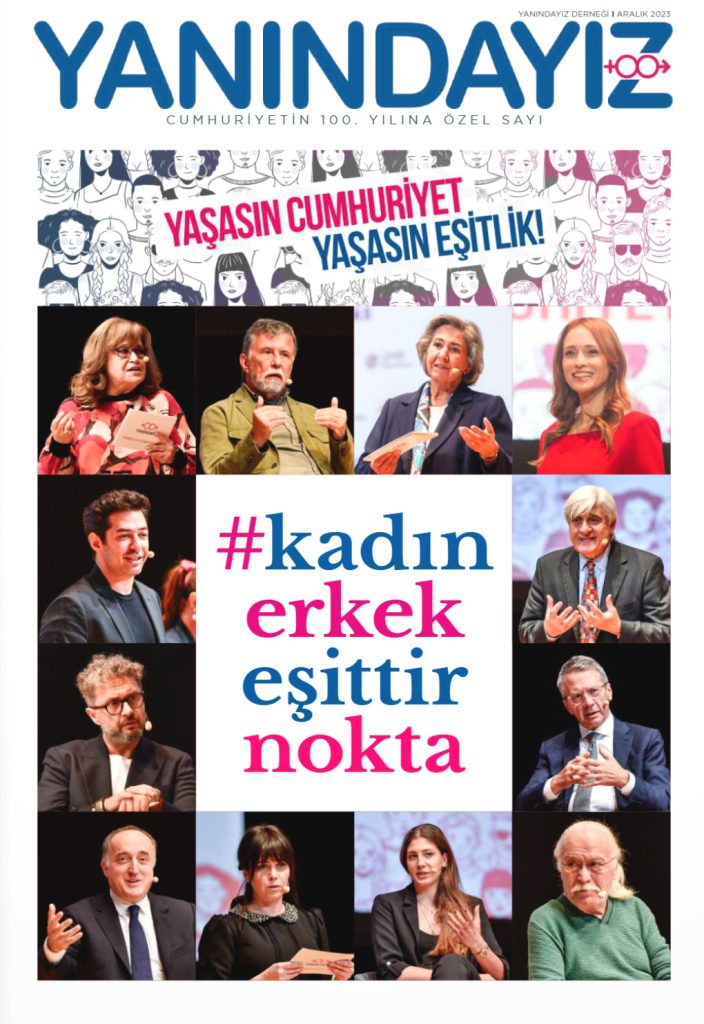
Arkas Holding proudly supported the YANINDAYIZ Association, an organization dedicated to advancing gender equality in Türkiye based on universal human rights. Founded by prominent leaders, including Arkas Holding Vice President Bernard Arkas, YANINDAYIZ is one of Türkiye’s largest non-governmental organizations focused on gender equality.
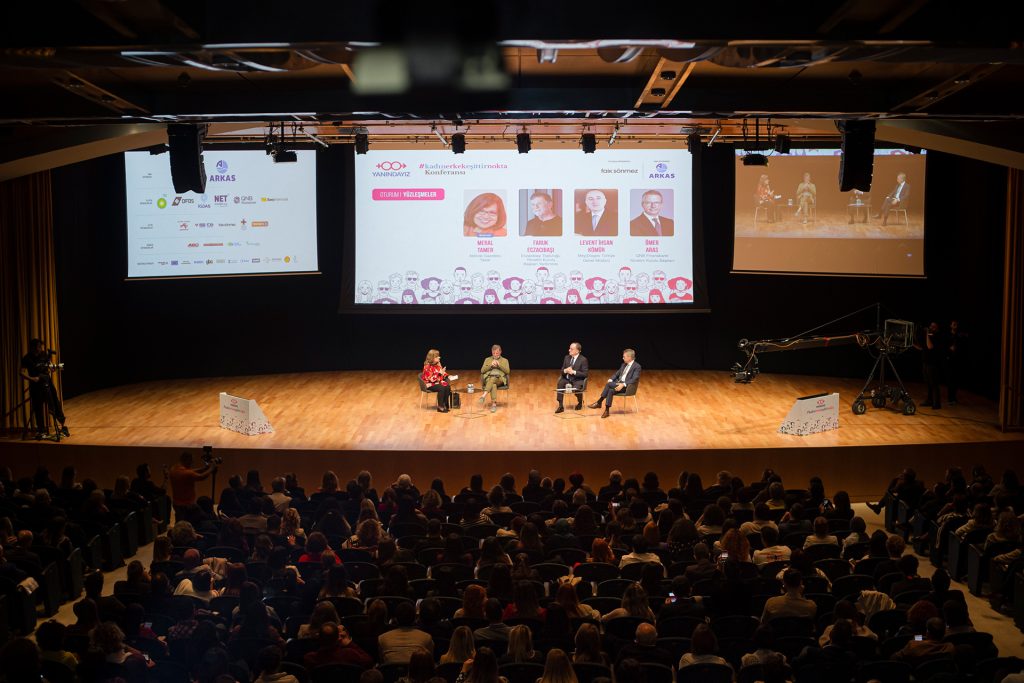
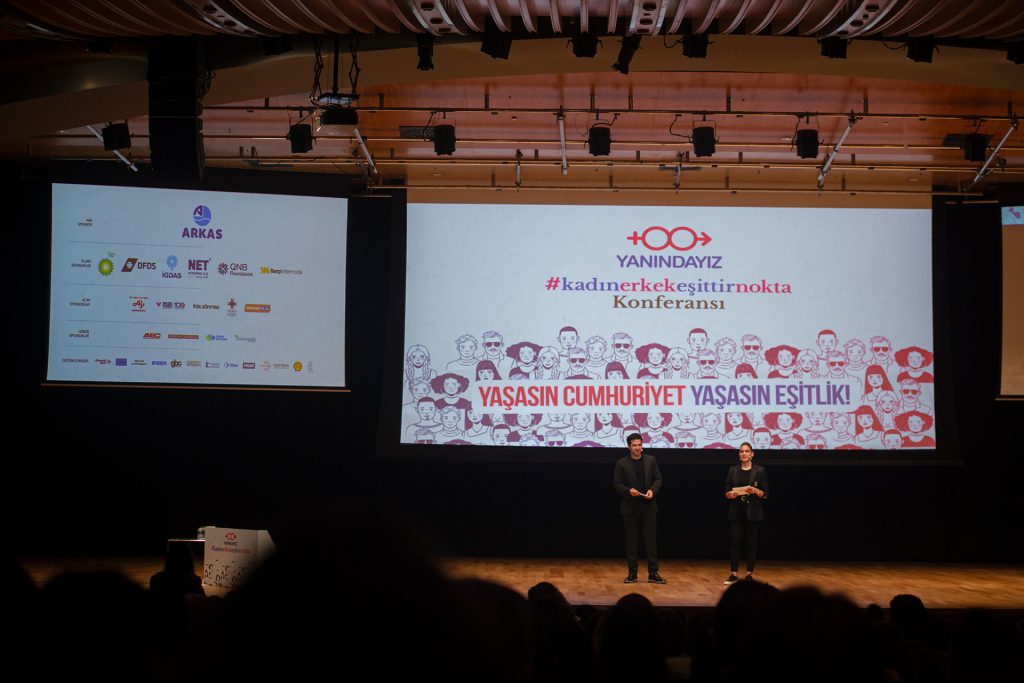
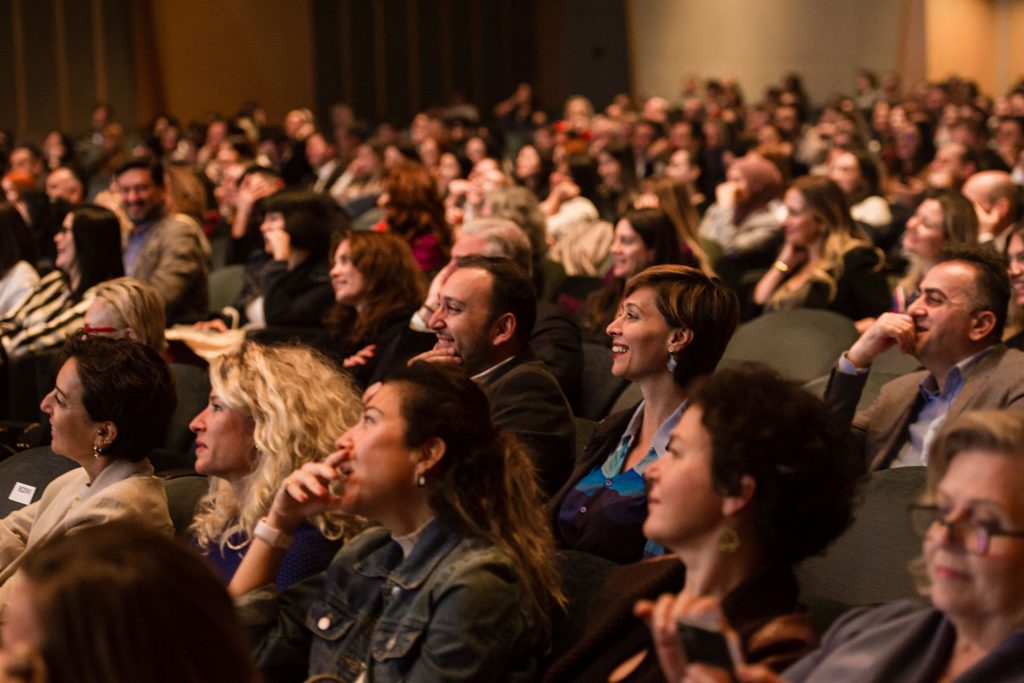
In 2023, Arkas was the main sponsor of the fourth conference of “Women and Men Are Equal, Period,” which aimed to promote gender equality, particularly in business life and broader society. Marking the 100th anniversary of the Turkish Republic, the conference carried the slogan Long Live the Republic, Long Live Equality! and brought together representatives from civil society, the private sector, and the public sector to discuss gender equality’s past, present, and future.